In our previous post, we introduced the concept of carbide and cover snow plow blade set-ups and how they improve snow removal efficiency. Now, let’s take a closer look at why carbide blades need a cover blade for optimal performance.
Carbide Inserts are a Double-Edged Sword
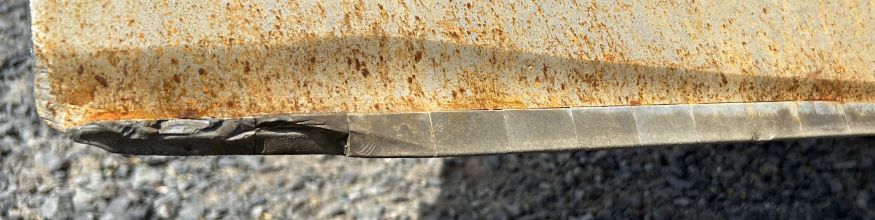
Carbide blades are known for their exceptional durability and long wear life. The carbide inserts inside these blades are extremely hard, allowing them to wear very slowly compared to traditional steel blades. This hardness is a double-edged sword, however, as this also means the carbide inserts are brittle and prone to shattering upon impact with road obstacles. Once the carbide inserts are damaged or dislodged, you’re left with a soft mild steel blade that wears much faster.
The Importance of a Cover Blade
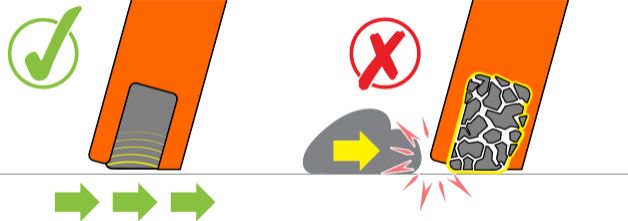
To protect the carbide inserts and maximize their wear life, a steel cover blade is essential. A properly configured carbide and cover set-up shields the carbide inserts from direct impact, preventing them from shattering or falling out. Some operators make the mistake of positioning the carbide blade in front of the steel blade, but this configuration fails to protect the carbide inserts and sacrifices the cutting power of the steel edge.
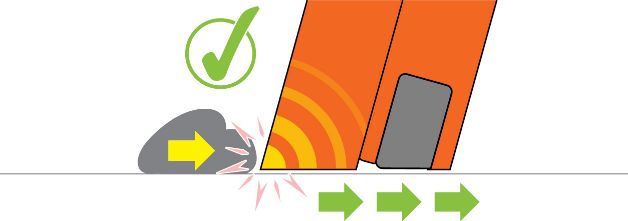
By placing the steel blade in front of the carbide blade, you can take advantage of the steel’s cutting ability while still benefiting from the carbide’s long wear life. This configuration has a slightly wider footprint which gives you the added benefit of preventing the carbide blade from digging into the road surface causing chattering or damaging the road surface.
Will Any Steel Blade Work as a Cover Blade?
Carbide and cover set-ups offer unmatched durability and wear life, but they require that the carbide and cover blades are properly matched to reach their full potential. Differences in height, bolt hole gauge, and material will affect the performance. By understanding different configurations, you can make informed decisions about your snow plow blade set-up and optimize your equipment for maximum efficiency and longevity. In our next post, we’ll discuss how to select the best combination of carbide blades and cover blades for your carbide and cover set-up.
Summary
- Carbide inserts are hard but fragile, requiring protection from road obstacles.
- A cover blade prevents carbide inserts from shattering or falling out, and helps prevent digging and chattering on road surfaces.
- Choosing the right type of cover blade is crucial for proper protection.
Ready to take your carbide and cover set-up to the next level? Check out our next post, “Selecting the Right Blades,” to learn about the different types of cover blades, material options, and how to choose the right configuration for your needs.
Understanding the Carbide & Cover Snow Plow Blade Set-up:
- What is a Carbide and Cover Set-up?
- Why You Need a Steel Cover Blade.
- Selecting the Right Blades.
- Mastering Alignment, Installation, and Use of Plow Guards.
- Why Carbide and Cover Set-ups Don’t Work.
- Streamlining Snow Removal with All-in-One Carbide and Cover Blade Systems.
- Optimizing Your Carbide and Cover Blade Set-up for Peak Performance.

 Xtendor® Plow Curb Guards
1 × $269.00
Xtendor® Plow Curb Guards
1 × $269.00  6' Polyurethane ATV/UTV Snow Plow Cutting Edge (72")
1 × $135.00
6' Polyurethane ATV/UTV Snow Plow Cutting Edge (72")
1 × $135.00