
6 Unbreakable Rules for Snow Plow Driver Safety
Plow drivers work long shifts in the worst conditions. One mistake can hurt someone, wreck a truck or cost your agency or business money. These six rules belong in every driver’s training, on public highways and private parking lots alike.
1Teach proper plow-lifting technique
Teach drivers to lift the plow when backing up, and to raise the blade as they approach a snow pile. Lifting at the pile throws snow higher and farther, and it keeps the truck from crashing into the snow wall. Every driver should read the operating manual for their plow and know the lifting technique it calls for.
2There’s no need for speed
Don’t rush, no matter how much snow is left. Set a maximum plowing speed for each kind of route, and make sure every driver knows it. Concrete and asphalt highways can handle plowing at up to 45 mph. Asphalt city streets call for about 10–15 mph, and parking lots about 15 mph or less. On chip seal and gravel, slower generally means less damage. See How Plowing Damages Roads, and 3 Ways to Prevent It.
- Up to 45 mphConcrete and asphalt highways
- 10–15 mphAsphalt city streets
- 15 mph or lessParking lots
- SlowerChip seal and gravel
3Be mindful of other vehicles
Obey every traffic law, even in the middle of a storm. When motorists struggle in the snow, be patient, even if they’re moving slowly. Watch for drivers who swerve, brake suddenly or tailgate the plow.
4Plow markers are key
Plow markers show the driver exactly where the ends of the plow are. That makes it easier to miss curbs, islands and parked cars, and it cuts down on damage.
5Make sure the hardware is fastened
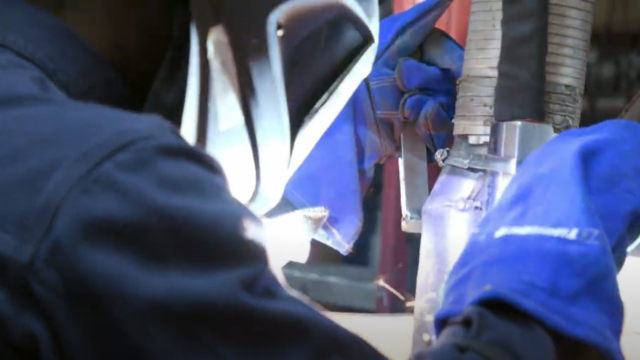
Before each run, take a quick look at the hardware and the cutting edge wear. A loose bolt can let a cutting edge shift or fall off. A worn-out edge can wear into the angle iron. After installing a new blade, retighten its hardware after the first 10 hours of use, because new parts settle in. Use Grade 8 plow bolts with hardened lock nuts, and never reuse lock nuts or their bolts. Be careful with used plows, too. If anyone welded parts together, the heat may have weakened them, and they can fail on the road. See Why Torque Matters for Snow Plow Hardware.
6Inspect the route
Before the season, check each route for hazards like curbs, bridge joints, railroad tracks, mailboxes, guardrails, manhole covers and islands. In parking lots, add speed bumps, drains and light-pole bases. Fresh snow can hide all of them, so mark the hidden ones before the first storm. See 5 Best Practices for Dealing With Road Obstacles.
Make the rules part of every shift
Following these rules keeps drivers, equipment and the public safe. Build them into driver training, and check in with drivers regularly to make sure they’re following them.
Driver safety checklist
Before the season
- Train every driver on plow-lifting technique and the top speed for each route.
- Walk each route and mark hidden obstacles.
- Make sure the plow markers are in place.
Before every run
- Take a quick look at the hardware and cutting edge wear.
After installing a new blade
- Retighten its hardware after the first 10 hours of use.
On every run
- Lift the plow when backing up and when approaching a pile.
- Stay at or below the top speed for your route.
- Obey traffic laws and give struggling drivers room.
Frequently asked questions
How fast should a snow plow go?
It depends on the surface. Highways can handle up to 45 mph. Plow city streets at about 10–15 mph and parking lots at about 15 mph or less. Go slower on chip seal and gravel.
Why use plow markers?
They show the driver where the plow ends, so it’s easier to avoid curbs, islands and parked cars.
How often should plow hardware be checked?
Give it a quick visual check before every run, along with the cutting edge wear. On a new blade, retighten the hardware after the first 10 hours of use. Look for loose, bent or missing bolts, and replace lock nuts and their bolts instead of reusing them.
Related Videos

Subscribe to our blog
"*" indicates required fields