
Snow Plow Blade Consultation: 8 Questions That Find the Right Blade.
Every fleet plows a different way. Your roads, your speeds, your salt and your trucks all shape how a cutting edge wears. When the blade doesn’t match the job, you pay in blade changes mid-storm, trucks off the road and spring road repairs.
The fix starts with questions, not a catalog. This guide covers the eight questions a Winter Equipment field representative will ask you. It also shows what the on-site visit looks like and what the right match can change for your crews. The consultation is free for government fleets and contractors alike.
Why the blade has to match your operation
A blade that’s wrong for your routes shows up in three places.
Safety. Every blade change in a storm puts a crew to work in the cold, in poor light and on bad footing. A change takes about 45 minutes per plow, depending on plow type and size, and each one risks an injury.
Uptime. A truck that’s getting new blades isn’t plowing. In a multi-truck fleet, worn blades can sideline several trucks at once, right when you need them most.
Your roads. A blade with the wrong footprint for your surface can peel pavement and open potholes, and plow speed adds to the damage. See 3 Avoidable Things That Cause Low-Bid Blades to Severely Damage Roads. A blade that leaves snowpack behind also means you spread more salt to finish the job. See How to Use Fewer Chemicals on Your Roads.
The 8 questions we’ll ask
Each question tells us something about how your blades wear. Have the answers ready before the visit, and the conversation moves faster.
Your current set-up
Question 1: What cutting edges do you run now?
Your brand, type and set-up, such as a carbide insert blade with a steel cover, give us a baseline to compare against.
Question 2: How often do your blades break or wear out?
Breakage points to a different problem than fast wear, and each one has its own fix.
Question 3: How many blade changes does each truck need per season?
This is the number the right blade should bring down, since it drives your labor and parts costs.
Your goals
Question 4: What do you want your blades to do better?
Fleets often want several things at once: longer life, better ice cutting, road protection or riding over obstacles. We’ll ask which one matters most to you.
Question 5: What’s your chemical strategy?
Whether you use salt, brine or both matters, because a blade that scrapes cleaner can let you spread less.
Question 6: Do you need bare pavement, or can you leave some snow behind?
An aggressive blade cuts through ice and packed snow. A road-friendly blade has a wider footprint that wears longer and glides over manhole covers and bridge joints. Your clearing policy decides which one fits.
Your routes
Question 7: What road types and surfaces do you plow?
Highways, city streets, gravel and chip seal each wear a blade differently and take damage differently.
Question 8: How fast do you plow?
Speed depends on the route: up to 45 mph on highways and slower on city streets. On chip seal and gravel, slower speeds generally mean less damage.
Have your blade measurements ready too, including each blade’s size, thickness, trip-edge type and punch pattern. Will My Cutting Edge Fit My Plow? shows you how to take them.
What the on-site visit looks like
You don’t have to come to us, because a field representative comes to you.
Step 1: Before the visit
Send a request through our contact form or call 888-294-9485, and we’ll find a time that works for your crew.
Step 2: During the visit
Your representative brings parts and samples and looks at the blades you run now. Then they talk through the eight questions with the people who plow your routes.
Step 3: After the visit
You get a recommendation built for your routes. Often that’s a complete cutting edge system, with blades, guards and hardware made to work together. The Savings Analysis puts numbers to it.
If you buy for a public agency, you can use any of Winter Equipment’s four cooperative purchasing contracts. In many jurisdictions, an eligible agency can buy from one without running its own bid. Check with your purchasing office first.
- SourcewellContract #033126-WECView contract
- NASPO ValuePointMaster Agreement #29505View contract
- COSTARSContract #4600016860View contract
- Local Government Cooperative (LGC)Contract #MA-26-002-Winter EquipmentView contract
See every contract purchasing option
If you need to get the purchase approved, The Snow Plow Bid Process covers who to involve and what to ask.
What the right match changes
The goal is simple: fewer blade changes, fewer trucks in the shop and less damage to the roads you maintain.
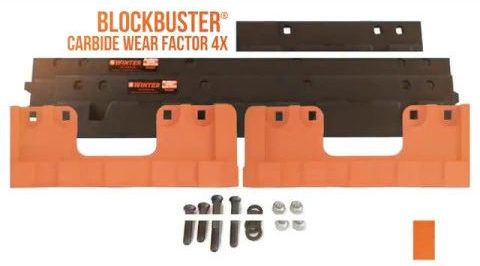
It starts with longer wear. Winter Equipment’s WearFactor rating shows how many times longer a product lasts than a standard product of the same category. A Razor® Cutting Edge System, for example, has a 2x WearFactor. It lasts twice as long as a standard tungsten carbide insert cutting edge.
Longer wear means fewer changes and less time in the cold. The Village of Buffalo Grove, Illinois, switched its fleet to carbide cutting edge systems. Maintenance Superintendent Bryan Beitzel put the result simply:
“We have not spent a single minute working on cutting edges during a storm event.”
Read the Buffalo Grove case study.
Still deciding between a complete system and ordering parts one at a time? See Is a Cutting Edge System or Non-System Right for You?
Frequently asked questions
What happens during a snow plow blade consultation?
A field representative visits with parts and samples. They ask about your blades, your goals and your routes. Then they recommend blades that fit the way you plow.
What should I have ready?
Know what blades you run now and how often you change them. Have your blade measurements on hand. If you can, bring in the people who plow your routes.
Who can request a consultation, and what does it cost?
Any fleet can ask for one, from state DOTs and cities to commercial snow contractors. The consultation is free.
Related Products
Related Videos
Subscribe to our blog
"*" indicates required fields