
The Snow Plow Bid Process: Getting the Right People at the Table
You’ve found snow plow blades that will outlast what your fleet runs today. The harder part is getting the purchase approved. In a public agency, a blade change can pass through several hands before anyone signs a purchase order, and each desk asks a different question.
The way through is to bring those people in early and answer their questions before they ask them. This guide covers four questions to ask first, who belongs at the table, and how to make the case on cost, safety, uptime and timing. It also covers how a cooperative purchasing contract can shorten the process.
Start with these four questions
Before you build a proposal, find out how a purchase actually gets approved in your organization. These four questions save weeks of back-and-forth.
Question 1: Who has final say on what is purchased, and what information do they need to make the call?
The person who signs off is often not the person who runs the trucks. Learn what they expect to see: a cost comparison, a spec sheet, a written recommendation.
Question 2: How much lead time is required for review and approval of the request to purchase?
If approval takes two months, a request made in October misses the season. Work backward from the date the blades need to be on the trucks.
Question 3: What information is required, and what steps must be completed to secure approval?
Forms, quotes, spec language, board or council agenda dates. Get the full list before you start, not after a request comes back.
Question 4: What level of support can be expected from key decision-makers regarding the purchase?
Know who already agrees, who needs convincing and who may object before the proposal reaches them.
Who belongs at the table
Who decides depends on the size of your organization. A state DOT usually buys through a central purchasing office and statewide contracts. A village may need only the road superintendent and a board vote.
State DOT
- Who’s usually involved
- District or garage maintenance managers; the equipment or fleet bureau that writes specifications; the state’s central purchasing office
- How a purchase gets approved
- Blades are often bought from a statewide contract that the purchasing office administers. Changing blades can mean changing the specification or the contract, so it runs on a solicitation cycle.
County
- Who’s usually involved
- County engineer or highway superintendent; the purchasing or auditor’s office; the board of commissioners or supervisors
- How a purchase gets approved
- Smaller purchases are handled in the department. Above the bid threshold, the board authorizes the bid and votes on the award.
City
- Who’s usually involved
- Public works director or street superintendent; fleet manager; purchasing or finance; city manager or mayor; city council
- How a purchase gets approved
- Approval moves up with the dollar amount: department director, then manager or mayor, then a formal bid and a council vote.
Township or village
- Who’s usually involved
- Road or highway superintendent; clerk or fiscal officer; board of trustees or village board
- How a purchase gets approved
- Few people are involved. The board usually votes on larger purchases, often at a monthly meeting.
The dollar thresholds that trigger quotes, formal bids or a board vote are set by state law and local policy, and they vary widely. In one city’s 2026 policy, a department director can approve supply purchases under $10,000. Up to $75,000 needs three written quotes and administrator approval, and anything larger goes to formal bid and a council vote. Many agencies can also buy from state or cooperative contracts without running their own bid. Ask your purchasing office which rules apply to you.
At every level, the people at the table weigh the same four concerns.
Make the case on four concerns
Cost
Start with what you spend now. Add up a year of blades, guards, hardware and the shop time to install them. Then price a longer-lasting system over the seasons it will run.
Fleets running low-bid blades can end up buying 4 to 5 times a year. A complete cutting edge system costs more up front, but it’s bought once a year. That means fewer replacements and fewer purchase requests to prepare. If you’re weighing a complete system against ordering parts separately, see Is a Cutting Edge System or Non-System Right for You?
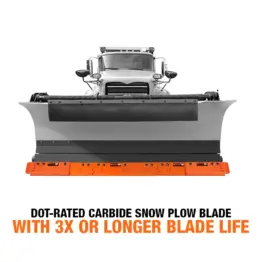
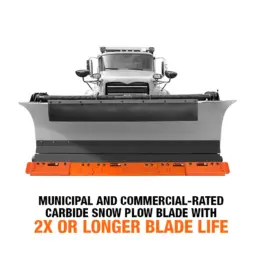
Winter Equipment’s WearFactor rating shows how much longer a product lasts than a standard product of the same category. A Razor® Cutting Edge System, for example, has a 2x WearFactor: it lasts twice as long as a standard tungsten carbide insert cutting edge. The Savings Analysis runs these numbers for your fleet.
Safety
Safety is a liability question, and it should carry the most weight. Changing a heavy blade in a storm means low visibility, bad footing and tired crews. Swapping a low-bid blade takes about 45 minutes per plow, depending on plow type and size, and every change is another chance for an injury.
Fewer blade changes means less exposure. After the Village of Buffalo Grove, Illinois, switched its fleet to carbide cutting edge systems, Maintenance Superintendent Bryan Beitzel put it simply:
“We have not spent a single minute working on cutting edges during a storm event.”
Uptime
Blade changes take trucks off the road when they’re needed most. In a multi-truck fleet, worn blades can sideline several trucks at once.
Buffalo Grove tracked what the switch saved each season:
- About $5,000saved in repair parts each season
- 20–25man-hours of plow shoe repair saved each season
- 14hardened steel edges the Village avoided buying
Read the Buffalo Grove case study.
Timelines
Work on the calendar of the people you need. If the bids and contracts office collects requests in a set window, a proposal that arrives after it closes waits a year. Ask about that window early (question 2), use their terms in your request, and submit with time to spare.
Or use a cooperative purchasing contract
A cooperative purchasing contract can take the bid step off your plate. A cooperative solicits these contracts competitively on behalf of public agencies. In many jurisdictions that lets an eligible agency buy without running its own bid. Confirm with your purchasing office that your agency can use them.
Winter Equipment holds four cooperative contracts. Reference the contract number when you request a quote.
- SourcewellContract #033126-WECView contract
- NASPO ValuePointMaster Agreement #29505View contract
- COSTARSContract #4600016860View contract
- Local Government Cooperative (LGC)Contract #MA-26-002-Winter EquipmentView contract
Each contract’s page covers who is eligible and how to order. The right one depends on which cooperatives your agency belongs to or can join.
Frequently asked questions
How often do fleets buy snow plow blades?
Fleets that run low-bid blades may buy 4 to 5 times a year. A longer-lasting cutting edge system is bought once a year. That means one purchase and one round of paperwork.
Can a public agency buy snow plow blades without going to bid?
Often, yes. Cooperative contracts like Sourcewell, NASPO ValuePoint, COSTARS and LGC have already been bid. Check your agency’s rules first.
What should a blade proposal include?
Start with what you spend on blades each year. Compare it to the cost of a longer-lasting option over several seasons. Add the safety and uptime gains, plus any forms and quotes your process requires.
Related Products


Related Videos
Subscribe to our blog
"*" indicates required fields